Ethical Sourcing in Retail: Closing the Gap Between Policy and Practice
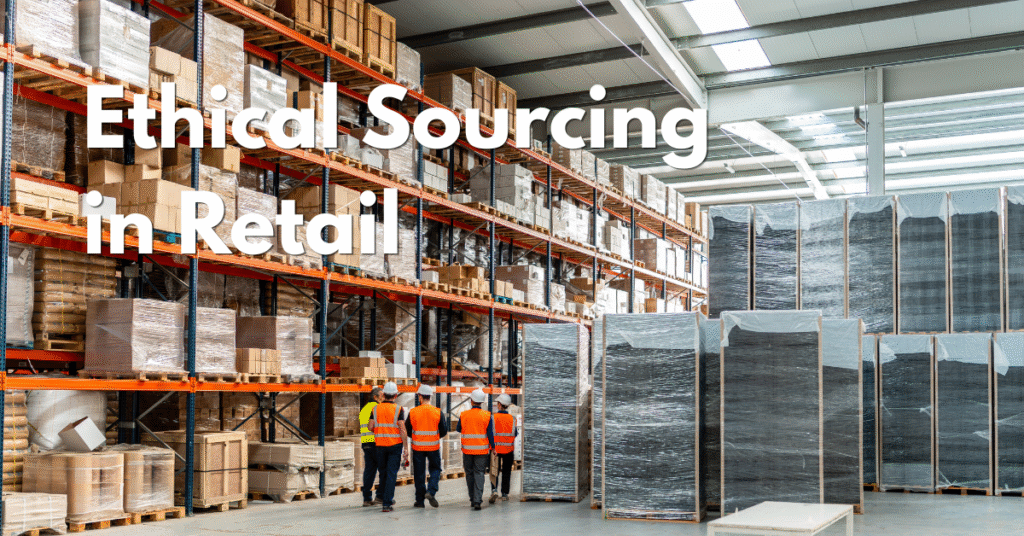
Ethical sourcing in retail continues to be a critical part of supply chain management, influencing how companies manage suppliers, control risk, and maintain consistency across global supply chains. Between increasing regulatory pressure, heightened consumer expectations, and the risk of brand reputation, retailers are under more scrutiny than ever.
As a partner managing sourcing for retail clients for decades, we’ve noticed the gap between policy and practice is where most retailers struggle.
The Unique Challenge of Ethical Sourcing in Retail
Retail supply chains are inherently complex. High product turnover, global sourcing networks, and tight margins create an environment where ethical risks can easily go unnoticed.
Many retailers rely on hundreds—or thousands—of suppliers across multiple regions. While Tier 1 suppliers may appear compliant on paper, risks often sit deeper in the supply chain, where visibility is limited.
Add to that:
- Fast production cycles, especially in fashion and seasonal goods
- Subcontracting practices that are difficult to track
- Constant cost pressures that can undermine ethical commitments
The result is a system where compliance can look strong on the surface but lack depth in practice.
More Than Passing an Audit
Audits are often treated as endpoints rather than starting points. Passing an audit becomes the goal, rather than improving working conditions or operational practices.
Second, many programs focus too narrowly on Tier 1 suppliers. This creates a false sense of security, while risks persist further upstream.
Third, there’s often a disconnect between sourcing and compliance teams. Commercial decisions—like aggressive pricing or short lead times—can directly conflict with ethical sourcing goals.
Ethical sourcing efforts often doesn’t fail due to a lack of intent. They fail because they aren’t fully integrated into how retail businesses operate day to day.
Relying Too Much on AI and Tech
Technology, including AI in supply chain management, is playing a growing role in ethical sourcing. It can help retailers scale risk assessments, aggregate supplier data, and identify potential red flags faster than ever before.
But it’s important to pause and evaluate before placing too much reliance on AI.
AI is only as reliable as the data it’s trained on. In global supply chains where data can be incomplete, inconsistent, or even manipulated, over-reliance on technology can create blind spots.
Some common risks retailers should be aware of:
- False confidence: just because an issue isn’t flagged, does not mean it doesn’t exist
- Data gaps: Many supply chains still lack verified, end-to-end data
- Lack of context: AI cannot fully interpret local labor conditions or cultural nuances
- Bias in risk models: Certain regions or suppliers may be over- or under-scrutinized
Technology should enhance human decision-making—not replace it. Ethical sourcing still depends on real-world verification and informed judgment.
Questions Retailers Should Be Asking about Ethical Sourcing
Strong ethical sourcing programs are built on asking better questions, not just collecting more data.
Retailers should challenge themselves with questions such as:
- How far into our supply chain do we actually have visibility?
- What happens after a supplier fails an audit?
- Are our purchasing practices aligned with our ethical commitments?
- Where are our highest-risk regions or categories—and why?
- How are we validating the data we rely on?
- Do our suppliers view us as partners in improvement, or just auditors?
These questions often reveal gaps that traditional compliance metrics miss.
A More Grounded Approach to Ethical Sourcing
At Bunzl Retail Services, we’ve seen that effective ethical sourcing requires a balance of global oversight and local insight.
That means working with in-market specialists based in key sourcing regions—people who understand local regulations, cultural dynamics, and day-to-day supplier realities. This kind of proximity provides a level of visibility that remote audits or data alone can’t achieve.
It also means going beyond one-time assessments. Ethical sourcing is an ongoing process that includes:
- Continuous supplier engagement
- Root cause analysis when issues arise
- Practical corrective action support
- Alignment between compliance goals and commercial decisions
Most importantly, it requires recognizing that compliance is not the end goal—improvement is.
EcoVadis Gold Medal Award
One way our commitment to ethical sourcing has been recognized is through our recent Gold Medal from EcoVadis, an international sustainability rating organization, placing us in the top 5% of all companies assessed worldwide in the past 12 months.
Closing that gap requires more than a compliance checklist; it demands visibility, accountability, and a clear understanding of how retail supply chains really operate.
Building a More Resilient Retail Supply Chain
Retailers looking to strengthen their ethical sourcing strategies should focus on a few key shifts:
Move from reactive compliance to proactive risk management.
Invest in long-term supplier relationships, not just oversight mechanisms.
Ensure internal alignment between sourcing, compliance, and leadership teams.
Use AI and technology thoughtfully—validate insights rather than assuming accuracy.
Prioritize transparency and traceability beyond Tier 1 suppliers.
There’s no such thing as a “perfect” ethical supply chain. But there is a meaningful difference between programs that exist on paper and those that drive real change.
From Visibility to Accountability
The future of ethical sourcing in retail will be shaped by greater transparency, stricter regulations, and more informed consumers. Retailers that succeed will be those that move beyond surface-level compliance and build systems grounded in real-world insight.
Because ultimately, ethical sourcing is defined by what’s actually happening across the supply chain.
Ethical sourcing continues to be a critical part of retail, shaping not only how products are made and delivered, but how brands build trust, manage risk, and remain competitive in an increasingly transparent global market.
Want to chat with one of our retail compliance experts? Email us at sales@bunzlbrs.com.