What the Nation's Biggest Retailers Know Heading into Peak Season
The holiday season remains retail’s biggest opportunity, with the National Retail Federation forecasting holiday sales will reach $1.013 trillion, up 4.2% from 2025. For retailers, the question is no longer whether consumers will spend. It’s how they’ll spend, where they’ll spend, and what they’ll expect in return.
Every holiday season brings predictions about consumer spending, inventory levels, and the latest retail trends. But talk to the leaders behind some of the country’s most successful retail brands, and a different theme emerges.
This year’s holiday season is shaping up differently than previous years. Consumers are starting their shopping earlier, moving fluidly between digital and physical channels, and expecting convenience at every step. They’re also becoming more deliberate about where they spend their money. According to Deloitte, nearly four in 10 consumers identify as “value seekers,” making.
Retailers work to balance margin pressure, labor challenges, and ongoing uncertainty around inventory and supply chains. The brands gaining market share aren’t necessarily the ones spending the most. Successful retailers are focusing on removing friction, adapting quickly, and executing consistently across every store.
In many ways, holiday success is no longer just a merchandising challenge. It’s an execution challenge.

The Return of the Physical Store
For years, retail headlines focused on e-commerce growth and digital transformation. Yet some of today’s fastest-growing retailers are placing significant bets on brick-and-mortar locations.
The most successful retailers no longer think about stores as a standalone sales channel. Increasingly, stores are expected to not only drive sales, but fulfill online orders, reinforce brand perception, and generate customer data.
Brands like Five Below, Vuori, and Boot Barn continue expanding their store footprints while many digitally native brands are investing in physical retail experiences.
That evolution is changing how retailers evaluate store investments. The question is no longer whether a store can produce sales within its four walls. It’s whether that location strengthens the broader customer journey across physical and digital touchpoints.
What Leading Retailers Understand
- Stores remain one of the most powerful customer acquisition channels.
- Physical environments drive discovery in ways algorithms can’t.
- In-store experience increasingly influences brand perception.
- Operational execution matters as much as product selection.
The New Definition of Holiday Readiness
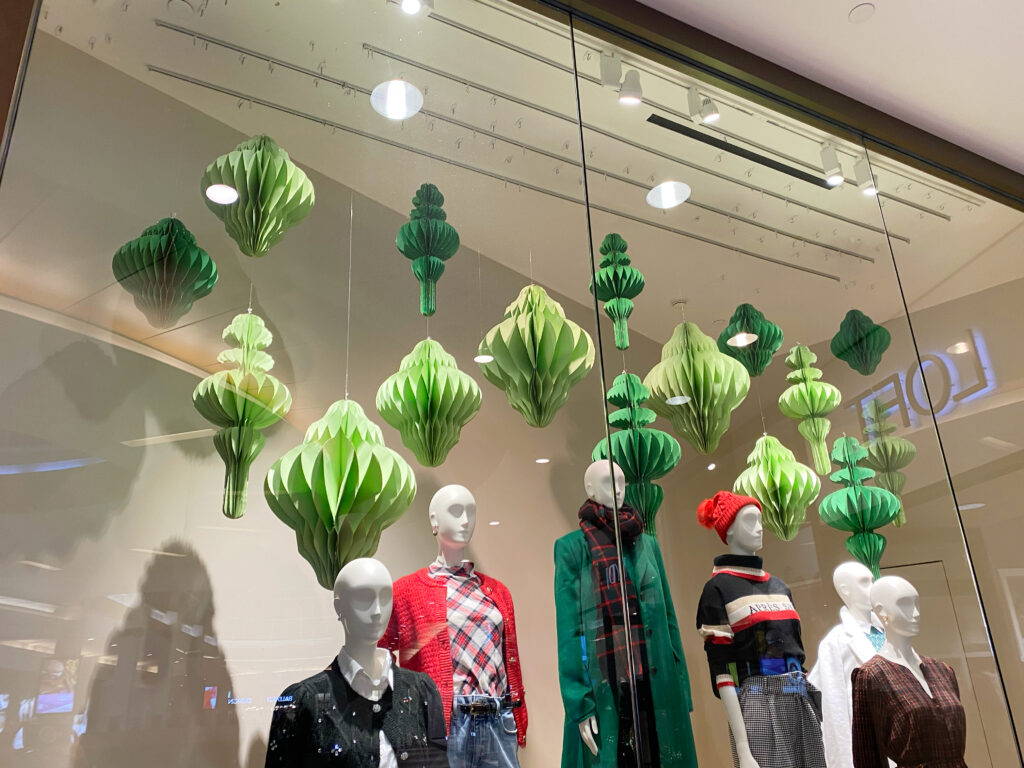
Of course, the usual holiday prep includes inventory preparation, staffing, and promotional calendars. But leading retailers are widening their definition of readiness. They’re thinking strategically about questions like:
- How quickly can stores adapt to changing demand?
- How easily can shoppers find products?
- Can store associates execute floor changes efficiently?
- How much friction exists in the customer journey?
Why Flexibility Has Become a Competitive Advantage
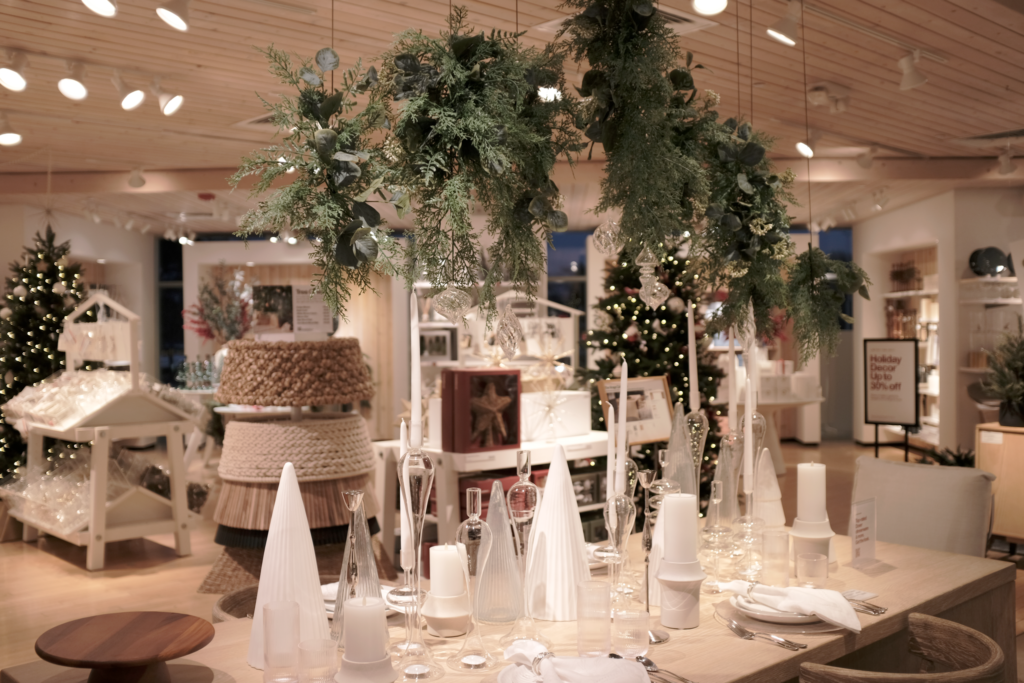
One of the most interesting shifts happening in retail today is the move toward flexibility. Stores are being designed to change faster.
Visual merchandising teams need displays that can be updated quickly. Operations leaders need layouts that support evolving promotions. Store teams need tools that simplify execution rather than create more work.
This has fueled greater interest in:
- Modular fixtures
- Temporary merchandising solutions
- Portable displays
- Flexible signage programs
- Streamlined store operations
Those investments may not be as attention-grabbing as artificial intelligence or immersive technology, but they often have a more immediate impact on store performance.
The retailers gaining share aren’t necessarily outperforming competitors because of strategy alone. They’re outperforming because they consistently execute thousands of small operational decisions well. Customers rarely see that work, but they feel the results every time they walk into the store.
That’s especially true during the holiday season.
Customers don’t notice when supply chains, merchandising teams, and store operations work perfectly together. Unfortunately, they take much more notice when things don’t go according to plan inside the store.
The Rise of “Retail Ease”
If there’s one common thread among successful retailers heading into the holidays, it’s a focus on making shopping feel effortless, which is no small feat.
Creating an easy shopping experience requires hundreds of operational details to work together:
- Effective wayfinding
- Clear pricing
- Fully stocked displays
- Organized fitting rooms
- Consistent replenishment
- Fast checkout experiences
- Clean, attractive store environments
Many of those areas don’t generate headlines, but they influence every customer visit.
In a competitive retail environment, ease is becoming a differentiator.
A Lesson from Retailers That Keep Growing
Five Below offers an interesting example. The retailer recently surpassed the 2,000-store mark, even as many brands spent the past several years reevaluating and shrinking their store footprints. What’s notable isn’t just the pace of its expansion.
It’s the company’s ability to replicate a consistent experience across thousands of locations while continuing to grow. The lesson is less about scale and more about operational repeatability.
For retailers looking to improve this aspect for their own brand, the opportunity often lies in simplifying execution. Successful brands are finding ways to reduce variability from store to store through standardized merchandising programs, consistent supply strategies, and tools that make it easier for associates to execute quickly and correctly.
Five Things Retail Leaders Are Paying Attention to Right Now
1. Earlier Shopping Behavior
Holiday purchasing increasingly begins well before Black Friday, changing merchandising and promotional timelines.
2. Faster Trend Cycles
Social media can create demand spikes almost overnight, requiring stores to respond quickly.
3. Operational Resilience
Retailers are placing greater emphasis on execution and consistency during peak periods.
4. Store Experience
Physical stores continue to play a critical role in product discovery and customer engagement.
5. Flexibility
Retailers want systems, processes, and store environments that allow them to pivot when conditions change.
Final Thoughts
The retailers that win this holiday season won’t necessarily be the ones with the biggest promotions. They’ll be the ones that make shopping feel easy.
Behind every effortless customer experience is an enormous amount of preparation, coordination, and operational discipline.
That’s what many of the nation’s most successful retail brands understand. Holiday readiness isn’t just about having products on shelves.
It’s about creating stores that are ready for whatever the shopping season brings.